

Why training should not just tick a box
Training is not just a tick-box exercise: why it truly matters
We had some feedback from our of our Level 3 Award in Education and Training (AET) learners recently, see below. It sparked a discussion about how often people think about training being put in place, just because.......
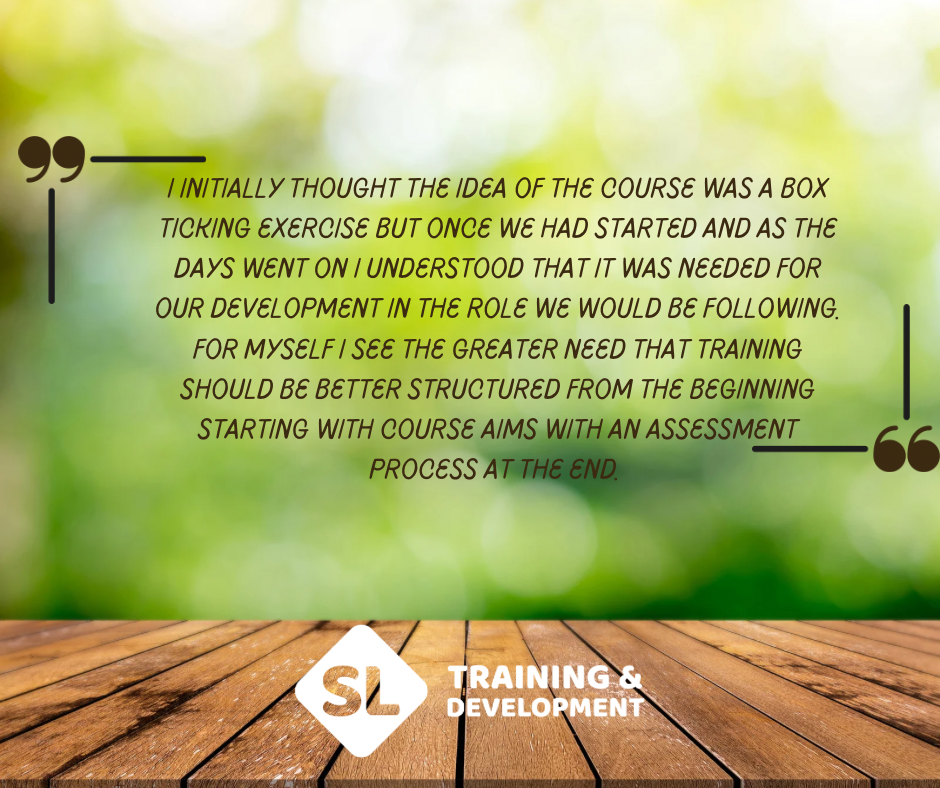
In many industries and organisations, training is often seen as something that has to be done - an annual compliance module (most commonly now an e-learning module), a mandatory induction, or a quick refresher before an audit. It’s easy to fall into the mindset that training is simply a task to complete, a requirement to tick off the list. But this approach misses the true purpose and power of learning and development and supporting individuals in their professional development.
Training is not a tick-box exercise. It is an investment - one that shapes organisational culture, improves performance, and empowers people to do their best work.
Training can offer so many benefits to organisations and individuals
1. Training Builds Capability, Not Just Compliance
Compliance matters, but capability matters more. Effective training equips staff with the knowledge, skills, and behaviours they need to navigate real situations - not just pass a quiz. When training is done well, it creates confident, competent employees who can apply learning in meaningful ways.
2. It Improves Performance and Productivity
When people fully understand how and why they should do something, they can then perform better. Training that goes beyond box-ticking offers practical tools, clear examples, and opportunities to practise. This leads to improved performance, fewer errors and smoother processes, benefiting the whole organisation.
3. Quality Training Supports Positive Culture
Training isn’t just about learning tasks; it’s about creating shared values and expectations. A culture of continuous learning encourages staff to take ownership of their development, seek improvement, and embrace innovation. This leads to higher engagement, better teamwork, and sharing practice.
4. It Reduces Risk and Strengthens Safeguarding
Many organisations provide training in areas such as health and safety, safeguarding, data protection, or quality assurance. When these topics are treated as tick-box activities, risk increases. Genuine, high-quality training helps people understand how to identify issues, prevent harm, and make informed decisions—protecting both individuals and the organisation.
5. It Shows That People Matter
When an organisation invests in meaningful training, it sends a powerful message to staff. Employees who feel supported and developed are more motivated, loyal and satisfied in their roles. This can improve retention and reduce the costs and disruption associated with high turnover.
6. It Drives Continuous Improvement
Tick-box training focuses on completing the minimum. True learning focuses on growth. When training includes reflection, feedback and opportunities to review practice, it supports continuous improvement. Getting people together to talk about working practices and share how they do tings can be very powerful.

Turning Training Into Something That Counts
To shift training away from a tick-box mentality, organisations should:
- Make learning relevant – link training to real work tasks, relevant challenges and ways to solve problems.
- Encourage reflection – help staff think about what they’ve learned and how to apply it.
- Provide opportunities to practise – through scenarios, discussion or guided tasks.
- Embed training into everyday culture – not just annual modules or updates.
- Evaluate impact, not completion – what changed as a result of the training?
When we move beyond tick-boxes, training becomes a driver of quality, confidence, and growth.
How we can help with your CPD
We support individuals, employers, training providers, colleges, Awarding Organisations and End Point Assessment Organisations with their learning and development needs by providing bespoke, engaging structured training sessions and qualifications designed to train, educate and empower individuals.
Our programmes are tailored to meet individual or organisational needs, align with current regulatory standards, ensuring that practitioners remain compliant while enhancing their professional practice.
For more information get in touch or visit our qualification pages on our website.